Software, cloud platforms, artificial intelligence, cybersecurity, data analytics and digital applications are now part of almost every modern industry. As organisations become increasingly technology-driven, they need professionals who can design, develop, manage and improve computer-based systems.
This has made Master of Computer Applications (MCA) a popular postgraduate pathway for graduates who want to build advanced careers in information technology.
An MCA is no longer limited to traditional programming. Modern computer application careers extend into software development, full-stack development, artificial intelligence, machine learning, data science, cloud computing, cybersecurity, DevOps, mobile applications, database management and IoT analytics.
So, what can you do after an MCA? Which skills are important? What are the different MCA career options? And how is artificial intelligence changing the future of computer application professionals?
This guide explores the career scope, specialisations, job roles and future opportunities associated with an MCA.
What Is MCA?
MCA stands for Master of Computer Applications. It is a postgraduate programme designed to develop advanced knowledge of computer applications, software development, programming, databases, computing systems and emerging technologies.
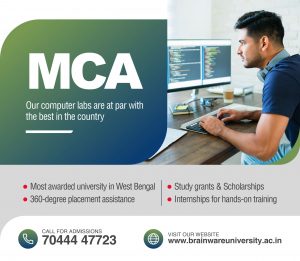
The current MCA (Master of Computer Applications) programme at Brainware University is a two-year postgraduate programme with focus areas including software development, programming, data structures, database management, web technologies, mobile application development, cloud computing, cybersecurity, artificial intelligence, machine learning, data science, DevOps, IoT analytics, full-stack development and IT project management.
This makes MCA relevant to students who want to move towards both conventional IT careers and newer technology domains.
Why Choose MCA After Graduation?
An undergraduate degree can provide a foundation in computing, but postgraduate study can help students develop deeper technical knowledge and project-based skills.
MCA can be relevant for graduates interested in:
- Software development
- Application development
- Web development
- Full-stack development
- Data science
- Machine learning
- Artificial intelligence
- Cloud computing
- Cybersecurity
- Database management
- DevOps
- Mobile application development
- IT consulting
The scope is broad because software and digital infrastructure are used across sectors such as finance, healthcare, education, e-commerce, telecommunications, technology services and start-ups.
What Do You Study in MCA?
An MCA curriculum typically combines computing fundamentals with advanced application development and emerging technologies.
| Area | What Students Learn |
|---|---|
| Programming | Coding and problem-solving |
| Data Structures | Efficient organisation and processing of data |
| Databases | Designing and managing data systems |
| Software Engineering | Developing reliable software |
| Web Development | Creating web applications |
| Mobile Development | Building mobile applications |
| Machine Learning | Data-driven prediction and pattern recognition |
| Data Science | Data analysis and interpretation |
| Cloud Computing | Developing and deploying cloud-based systems |
| Cybersecurity | Protecting applications and digital systems |
| DevOps | Software development and deployment practices |
| IoT Analytics | Analysing data from connected devices |
| AI | Intelligent applications and automation |
| Full Stack Development | Front-end and back-end application development |
The current MCA syllabus includes Python, data structures and algorithms, Java, database management, AI and its applications, machine learning, data science, NLP, cloud computing, Android development, advanced web development, blockchain, AIoT and project/dissertation work.
What Skills Do MCA Students Develop?
An MCA career is built around both technical and problem-solving abilities.
Programming
Programming remains one of the fundamental skills for MCA graduates. Students may work with languages such as Python, Java and other technologies depending on their specialisation.
Data Structures and Algorithms
These help programmers develop efficient solutions to computational problems and are important for technical interviews and software development.
Database Management
Applications depend on structured data. Knowledge of database systems is therefore relevant to software, web, enterprise and data-related careers.
Software Development
Students learn how software is planned, designed, developed, tested and maintained.
Web Technologies
Modern businesses depend heavily on websites and web applications, creating demand for professionals with front-end and back-end development skills.
Analytical Thinking
MCA students need to break complex problems into smaller, manageable components and develop logical solutions.
Project Development
Practical projects allow students to apply programming and technology concepts to real-world problems.
MCA Specialisations and Career Directions
MCA can lead towards several technology specialisations.
1. Software Development
Software developers design, build, test and maintain applications.
They may work on:
- Enterprise software
- Web applications
- Desktop applications
- Business applications
- Digital platforms
- Software products
Software development remains one of the broadest career paths after MCA.
2. Full Stack Development
Full-stack developers work across both the front end and back end of applications.
This can involve:
- User interfaces
- Server-side programming
- Databases
- APIs
- Authentication
- Application deployment
The current MCA programme includes full-stack web development, alongside technologies such as NodeJS with Express, Angular, PHP and Laravel.
3. Artificial Intelligence and Machine Learning
AI and machine learning are becoming part of software products, business systems and digital services.
MCA graduates can explore areas such as:
- Machine learning
- Predictive analytics
- Natural language processing
- Intelligent applications
- AI automation
- Data-driven software
The current programme includes AI and its Applications, Machine Learning, Natural Language Processing and AIoT within its curriculum.
4. Data Science and Analytics
Data science combines programming, statistics, data processing and analytical techniques.
Career areas include:
- Data analysis
- Business intelligence
- Predictive modelling
- Data visualisation
- Machine learning
Students who enjoy mathematics, programming and analytical problem-solving may find this an attractive specialisation.
5. Cloud Computing
Businesses increasingly use cloud infrastructure to store data, run applications and deliver digital services.
Cloud-related careers can involve:
- Cloud application development
- Cloud support
- Cloud administration
- Deployment
- Infrastructure management
Cloud computing is included among the current programme’s major focus areas.
6. Cybersecurity
Cybersecurity focuses on protecting software, systems, networks and data.
MCA graduates can explore roles involving:
- Security analysis
- Application security
- System security
- Vulnerability assessment
- Cybersecurity operations
Students interested in deeper cybersecurity specialisation can also pursue dedicated postgraduate or professional pathways.
7. DevOps
DevOps connects software development with deployment and operational practices.
It can involve:
- Software delivery
- Automation
- Testing
- Deployment
- Infrastructure
- Continuous integration
The current MCA programme includes DevOps-related learning as part of its career-focused technology areas.
Career Opportunities After MCA
An MCA qualification can lead to a variety of technology roles.
| Job Role | Main Work Area |
|---|---|
| Software Developer | Application development |
| Full Stack Developer | Front-end and back-end development |
| Web Developer | Websites and web applications |
| Mobile App Developer | Android/mobile applications |
| Data Analyst | Data analysis and reporting |
| Data Scientist | Data modelling and analytics |
| Machine Learning Engineer | ML systems and models |
| Cybersecurity Analyst | Digital security |
| Cloud Support Engineer | Cloud infrastructure |
| Database Administrator | Database management |
| System Administrator | IT systems |
| Network Engineer | Network infrastructure |
| Software Tester | Software quality and testing |
| IT Consultant | Technology solutions |
| Software Architect | Application and system architecture |
| Project Assistant | IT project coordination |
The current programme identifies software developers, web developers, full-stack developers, data analysts, data scientists, programmers, software testers, system administrators, network engineers, cybersecurity analysts, cloud support engineers, IT consultants and software architects among potential job types.
Where Can MCA Graduates Work?
One advantage of computer application skills is that they are transferable across industries.
| Industry | Technology Opportunities |
|---|---|
| IT Services | Software and application development |
| FinTech | Banking technology and financial platforms |
| E-commerce | Websites, applications and digital systems |
| Healthcare Technology | Healthcare software and data systems |
| EdTech | Learning platforms and applications |
| Banking Technology | Digital banking and financial applications |
| Cybersecurity | Security operations and software security |
| Cloud Services | Cloud applications and infrastructure |
| Telecom | Network and digital systems |
| Consulting | Technology consulting |
| Product Companies | Software products and platforms |
| Start-ups | Full-stack, product and technology roles |
The current programme lists IT services, software development, FinTech, EdTech, e-commerce, healthcare technology, banking technology, data analytics, cybersecurity, cloud services, consulting, telecom, product development, digital platforms and start-ups among relevant hiring sectors.
AI and the Future of MCA Careers
Artificial intelligence is changing software development itself.
Modern developers increasingly encounter AI-assisted coding, automated testing, predictive analytics, intelligent applications and machine-learning systems.
For MCA graduates, this means AI can become both a career specialisation and a productivity tool.
AI can support:
- Code assistance
- Data analysis
- Pattern recognition
- Software testing
- Predictive modelling
- Application personalisation
- Automation
- Natural language processing
- Intelligent search
- Decision-support systems
The current MCA programme has an explicit AI-driven academic and industry learning component, connecting AI with software engineering, data science, cybersecurity, cloud platforms, web applications, mobile applications and business technology systems.
The programme also identifies tools and technologies including Keras, Gymnasium, Gensim, Claude Code and Bayesialab within its AI learning environment.
What Makes an MCA Graduate Job-Ready?
A postgraduate degree alone does not define technical readiness.
Students can strengthen their profiles by building:
Coding Skills
Regular programming practice helps improve problem-solving ability.
Project Portfolio
Real projects demonstrate that students can apply theoretical knowledge.
Git and Version Control
Version-control knowledge is useful for collaborative software development.
Database Skills
Understanding SQL and database design is valuable across software roles.
Web Development
Knowledge of front-end, back-end and API development can open multiple career paths.
Cloud Knowledge
Cloud platforms are increasingly relevant to application deployment and infrastructure.
AI and Data Skills
Python, machine learning, data analysis and visualisation can broaden career options.
Communication
Technology professionals need to explain technical ideas to colleagues, clients and stakeholders.
MCA Internship and Practical Learning
Technology employers often look for evidence of practical experience.
Internships can help students understand:
- Development workflows
- Team collaboration
- Coding standards
- Project management
- Software testing
- Client requirements
- Deployment processes
The current MCA programme provides internship guidance, real-time project exposure and structured placement preparation involving coding practice, aptitude development, technical interviews, resume building, project presentation and communication skills.
MCA Placement and Career Preparation
Placement preparation can become particularly important for students entering technical roles.
The current programme reports 133 placement drives and 114 companies visited, with the latest programme-specific placement data showing a highest salary offered of ₹11.50 LPA and an average of ₹4.09 LPA. These are programme-specific placement figures, not guaranteed outcomes for every student.
Recruiters listed for the programme include TCS, Impledge Technologies, Logic Square Technologies, Xcedence, ICRA Analytics, ARC Document Solutions, MOL Information Technology and Nihilent, among others.
MCA at Brainware University
The MCA (Master of Computer Applications) programme at Brainware University is a two-year postgraduate programme focused on advanced computer applications and modern IT careers.
The curriculum combines programming, data structures, databases, software engineering, web technologies, mobile application development, machine learning, data science, cloud computing, cybersecurity, DevOps, IoT analytics and AI.
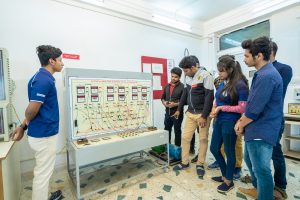
Students also receive practical exposure through laboratory work, projects, industry-linked training, internships, value-added courses and placement preparation.
For eligibility, the current programme requires at least 50% marks or equivalent grade in graduation, with a passing grade in Mathematics at either the 10+2 level or during graduation. A 5% relaxation is stated for reserved-category candidates. Admission is based on performance in the Brainware Entrance Test (BET) along with fulfilment of the university’s admission requirements.
MCA Course at a Glance
| Particular | Details |
|---|---|
| Programme | Master of Computer Applications |
| Duration | 2 years |
| Level | Postgraduate |
| Eligibility | 50% in graduation with Mathematics at 10+2 or graduation |
| Core Areas | Programming, databases, software development and web technologies |
| Advanced Areas | AI, ML, data science, cloud, cybersecurity and DevOps |
| Practical Learning | Labs, projects, internships and industry training |
| Career Areas | Software, data, cloud, cybersecurity, web and IT consulting |
| Higher Studies | PhD, relevant M.Tech and advanced certifications |
| Location | Barasat, Kolkata, West Bengal |
Higher Studies After MCA
MCA does not have to be the final academic qualification.
Graduates interested in research, teaching or advanced technical specialisation can consider:
- PhD in Computer Science
- PhD in Computer Applications
- Relevant M.Tech programmes where eligible
- AI certifications
- Machine learning certifications
- Cloud certifications
- Cybersecurity certifications
- Data science certifications
- DevOps certifications
- Blockchain certifications
- Full-stack development certifications
The current programme information specifically identifies PhD pathways, relevant M.Tech options and advanced certifications across AI, machine learning, cloud computing, cybersecurity, data science, blockchain, DevOps and full-stack development.
Frequently Asked Questions About MCA
What is MCA?
MCA stands for Master of Computer Applications. It is a postgraduate programme focused on computer applications, programming, software development and emerging computing technologies.
What can I do after MCA?
You can explore careers in software development, full-stack development, web development, data analytics, data science, machine learning, cloud computing, cybersecurity, database administration, DevOps and IT consulting.
Is MCA useful for software development?
Yes. Programming, data structures, software engineering, databases and application development are central areas of MCA education.
Can MCA graduates work in AI?
Yes. AI, machine learning, NLP and AI-enabled application development are among the technology areas included in the current MCA curriculum.
Can I become a data scientist after MCA?
MCA can provide a foundation for data-related careers, particularly when combined with strong skills in Python, statistics, machine learning, data analysis and project work.
Can MCA graduates work in cybersecurity?
Yes. Cybersecurity is one of the career areas associated with the current programme. Graduates can also pursue specialised cybersecurity certifications or further education.
Is cloud computing included in MCA?
Yes. Cloud computing is one of the current programme’s major focus areas.
What programming languages are useful for MCA?
Python and Java are among the programming technologies included in the current syllabus. The exact technologies used can vary according to the specialisation and project.
Is Mathematics required for MCA?
For the current Brainware University programme, candidates must have a passing grade in Mathematics at either the 10+2 level or during graduation.
Can I pursue a PhD after MCA?
Yes. Possible research pathways include Computer Science and Computer Applications, subject to the eligibility requirements of the institution and programme.
Is MCA only for BCA graduates?
No. The relevant eligibility depends on the institution. At Brainware University, eligible graduates with the required Mathematics background can apply, including students from relevant computing and other qualifying backgrounds.
The Future of MCA Careers
The technology industry is moving towards increasingly interconnected systems where software, AI, data, cloud infrastructure and cybersecurity work together.
This is changing what employers expect from computer application professionals.
A strong MCA graduate is therefore not simply someone who can write code. The ability to understand problems, design applications, work with data, use modern development tools, deploy systems and adapt to emerging technologies is becoming increasingly important.
Students who combine programming fundamentals with practical projects and skills in areas such as AI, machine learning, cloud computing, cybersecurity, data science, full-stack development or DevOps can build specialised career profiles.
The future of MCA is consequently broader than traditional computer applications. It is increasingly about developing professionals who can understand technology from code to application, data to intelligence and development to deployment.