
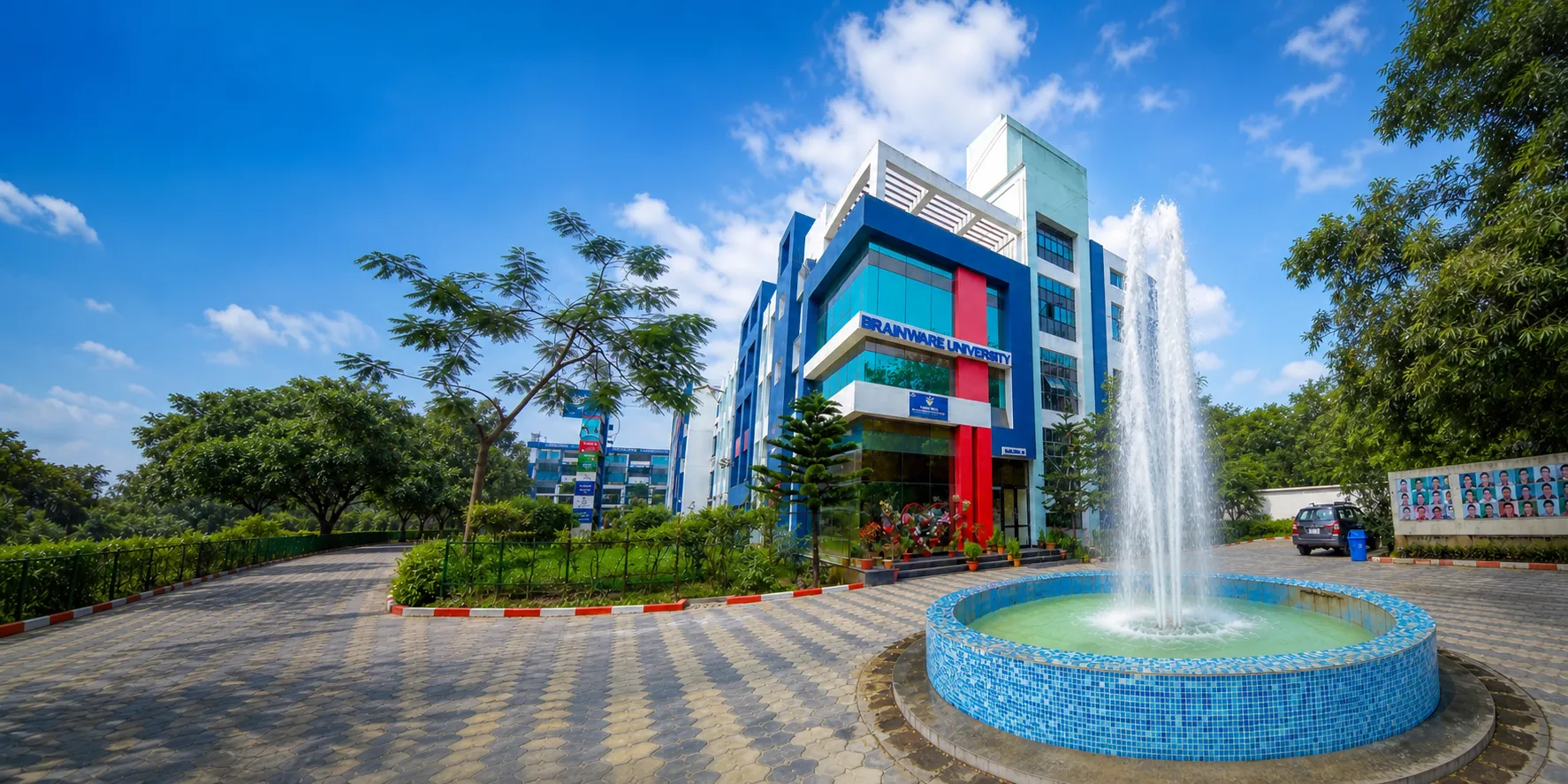
Top Engineering Colleges in Kolkata: Admission, Eligibility, Placement and Career Guide
Best Engineering Colleges in Kolkata: An Overview
Students searching for the top engineering colleges in Kolkata can choose from established public universities, national institutes, private engineering colleges and private universities offering BTech programmes across Computer Science, Artificial Intelligence, Data Science, Cyber Security, Electronics, Electrical, Mechanical, Civil, Biotechnology and emerging technology fields.
Jadavpur University and IIEST Shibpur are among the region's nationally ranked public engineering institutions, while IEM, Heritage Institute of Technology, Narula Institute of Technology, Techno Main Salt Lake, NSEC, UEM Kolkata, Brainware University and other private institutions provide additional options.
The best college in WB will not be the same for every student. Admission route, branch, curriculum, laboratory infrastructure, faculty, fees, placement, campus, hostel and career goals should all be compared before making the final choice.

Engineering Departments and Offered Courses in Kolkata
engineering colleges in Kolkata offer programmes across both traditional and emerging disciplines.
Common BTech branches include:
- Computer Science and Engineering
- Artificial Intelligence and Machine Learning
- Data Science
- Cyber Security
- Information Technology
- Electronics and Communication Engineering
- Electrical Engineering
- Mechanical Engineering
- Civil Engineering
- Robotics and Automation
- Biotechnology
- Artificial Intelligence and Robotics
- IoT and Emerging Digital Technologies
The right branch depends on the student's interests, academic strengths and preferred career path.
Students interested in software, AI and digital technologies may consider CSE and its specialisations. Those interested in physical systems, manufacturing, infrastructure or energy may examine Mechanical, Civil, Electrical or Electronics programmes. Biotechnology combines engineering principles with life sciences and applied research.
Brainware University BTech Programmes at a Glance
Brainware University's current programme portfolio includes engineering pathways focused strongly on computing and emerging technologies.
| BTech Programme | Primary Focus |
|---|---|
| BTech Computer Science & Engineering | Programming, software, algorithms, computing systems and emerging technologies |
| BTech CSE - Artificial Intelligence & Machine Learning | AI, Machine Learning, intelligent applications and data-driven computing |
| BTech CSE - Artificial Intelligence & Robotics | AI, robotics, automation and intelligent systems |
| BTech CSE - Data Science & Artificial Intelligence | Data Science, analytics, Machine Learning and AI |
| BTech CSE - Cyber Security | Computer security, networks, ethical hacking and digital defence |
| BTech Biotechnology | Biotechnology, molecular biology, genetic engineering, bioprocessing and applied research |
Eligible students can also explore lateral-entry pathways in several engineering programmes.
For the main four-year CSE and CSE-specialisation programmes, Brainware University currently lists a total programme fee of ₹5,79,600. BTech Biotechnology is currently listed at ₹5,59,600. Fees are subject to change.
Engineering Curriculum and Learning Environment
The quality of an engineering college depends heavily on how effectively it combines theoretical principles with practical application.
A good curriculum should build mathematical and scientific foundations before progressing into branch-specific engineering subjects. Students should gradually move from classroom concepts to laboratory experiments, software development, design work, projects, internships and industry-oriented problem-solving.
For technology-focused engineering, current learning areas increasingly include:
- Artificial Intelligence
- Machine Learning
- Data Science
- Cyber Security
- Cloud Computing
- Internet of Things
- Robotics
- Automation
- Blockchain
- Software Development
- Data Mining
Brainware University's current engineering framework describes practical and project-based learning through laboratories, coding practice, mini projects, major projects, internships, workshops and industry interaction.
What a Strong Engineering Curriculum Should Include
A useful engineering curriculum should provide:
- Problem-Solving:
Students should learn to analyse engineering problems rather than memorise theory. - Branch-Specific Knowledge:
Students should receive adequate depth in their selected engineering discipline. - Laboratory Work:
Practical sessions should accompany major technical subjects. - Problem-Solving:
Students should learn to analyse engineering problems rather than memorise theory. - Programming and Digital Skills:
These skills are increasingly useful across engineering disciplines. - Projects:
Mini and major projects help students apply classroom knowledge. - Industry Exposure:
Workshops, industrial visits, internships and live projects connect academic study with practice. - Emerging Technologies:
Exposure to AI, automation, data technologies and digital systems can broaden career opportunities. - Communication Skills:
Engineers need to explain technical ideas clearly in teams and professional environments. - Research and Innovation:
Students interested in higher studies or product development should have opportunities to undertake research and experimentation.
Key Highlights of Engineering Programmes
| Factor | Why It Matters |
|---|---|
| Recognition | Confirms the academic standing of the institution |
| Engineering Branches | Determines whether the student's preferred field is available |
| Curriculum | Shows the depth and relevance of academic learning |
| Faculty | Affects teaching, mentoring and research |
| Lab or Laboratory | Provides essential practical exposure |
| Projects | Develops problem-solving and application skills |
| Internship | Provides early workplace experience |
| Industry Collaboration | Connects students with professional practice |
| Research | Supports innovation and higher studies |
| Placement | Helps students understand graduate outcomes |
| Career Training | Prepares students for aptitude, technical and HR rounds |
| Campus | Shapes the wider student experience |
| Hostel | Important for students living away from home |
| Fees | Determines the total financial commitment |
| Scholarships | Can reduce the cost for eligible students |
| Location | Influences accessibility and industry exposure |
Engineering College Kolkata: Admission Process and Eligibility
Engineering admission in Kolkata varies according to the institution.
Government and private colleges commonly consider state or national engineering entrance examinations. Private universities may also follow their own admission or counselling procedures.
Students should verify:
- Class 12 eligibility
- Mandatory subjects
- Minimum marks
- Entrance examination
- Counselling procedure
- Application deadline
- Seat availability
- Reservation rules
- Fee structure
- Document requirements
Common Engineering Entrance Routes in Kolkata
Depending on the institution, engineering aspirants may encounter:
- WBJEE
- JEE Main
- Institution or university-specific admission processes
- Merit-based admission where permitted
- Lateral-entry admission for eligible Diploma or degree holders
Jadavpur University and many West Bengal engineering colleges use WBJEE as an important undergraduate admission route. JEE Main is also accepted by several private engineering institutions.
Students should check the current admission rules of each college because entrance requirements vary.
Brainware University BTech Eligibility
For BTech CSE and its major CSE specialisations, Brainware University currently requires:
- Minimum 60% marks or equivalent grade in 10+2
- Minimum 45% marks or equivalent grade in any three eligible subjects taken together
- Physics and Mathematics are mandatory
- One additional subject from the university's approved group
- Individual pass marks in theory and practical components where applicable
- Pass marks in English
- 5% relaxation in marks for reserved category candidates under the stated university rules
Eligible additional subjects include:
- Chemistry
- Computer Science
- Electronics
- Information Technology
- Biology
- Informatics Practice
- Biotechnology
- Technical Vocational Subjects
- Agriculture
- Engineering Graphics
- Business Studies
- Entrepreneurship
BTech Biotechnology has a different subject requirement. It currently requires Physics and Chemistry as mandatory subjects along with Mathematics or Biology.
Brainware University Engineering Admission Process
Brainware University's current engineering admission process begins through online application or enquiry.
A typical process involves:
- Select the engineering programme.
- Check programme-specific eligibility.
- Complete the official online enquiry or application.
- Provide academic and contact information.
- Complete eligibility verification and admission counselling.
- Review fees and scholarship opportunities.
- Submit the required documents.
- Complete admission subject to programme rules and seat availability.
- Attend the orientation programme.
Direct admission may be available for selected programmes subject to eligibility, document verification, seat availability and university norms.
Students should check the Official Admission Portal, current Application Form, Admission Process and Last Date before making payment.
Engineering Fees in Kolkata: What Students Should Compare
Engineering fees in Kolkata vary substantially between public institutions, private colleges and private universities.
The tuition fee alone does not reveal the complete cost.
Students and parents should compare:
- Tuition fees
- Admission charges
- Examination fees
- Laboratory fees
- Hostel expenses
- Food expenses
- Transport
- Certification costs
- Project expenses
- Scholarship opportunities
- Refund conditions
At Brainware University, current four-year BTech CSE and major CSE specialisation programmes are listed at ₹5,79,600 in total programme fees. BTech Biotechnology is currently listed at ₹5,59,600.
The university notes that fees and eligibility criteria are subject to change.
Campus Life and Facilities
The campus is an important part of engineering education because students often spend substantial time outside normal lecture hours working in laboratories, libraries, project groups and technical activities.
Brainware University's campus facilities include:
- 1 Gbps Wi-Fi connectivity
- Central Library
- Departmental libraries
- Seminar halls
- Auditorium
- Incubation support
- Boys' and girls' hostels
- Food court and canteen
- Gymnasium
- Common rooms
- Sports infrastructure
- Medical support
- Student counselling
- Emergency transport support
A strong engineering campus should support both academic work and student development.
Student Accommodation and Hostel Facilities
Students coming to Kolkata from other parts of West Bengal, neighbouring states or overseas should compare hostel facilities before finalising a college.
Brainware University provides separate boys' and girls' hostel accommodation on campus.
| Hostel Factor | What to Verify |
|---|---|
| Room Type | Number of students sharing the room |
| Hostel Fee | Current accommodation charges |
| Food | Whether meals are included |
| Wi-Fi | Access and applicable conditions |
| Security | Entry, exit and visitor arrangements |
| Medical Support | First aid and emergency assistance |
| Campus Distance | Proximity to classrooms and laboratories |
| Caution Deposit | Amount and refund rules |
| Joining Fee | One-time payment |
| Availability | Current hostel seat position |
Hostel availability should be confirmed early because accommodation is subject to capacity.
State-of-the-Art Laboratories and Libraries
Laboratory infrastructure is central to engineering education.
Students should examine whether laboratories are regularly used as part of coursework and whether equipment and software match the needs of the programme.
Brainware University's current engineering information highlights laboratory and research exposure in areas such as:
- Artificial Intelligence
- Computer Graphics
- Linux Administration
- Programming
- Data Mining
- Machine Learning
- Internet of Things
- Cloud Computing
- Blockchain
- Cyber Security
- Robotics
Its BTech Biotechnology programme separately includes practical and research-based training in areas such as microbiology, molecular biology, biochemistry, genetic engineering, bioinformatics and bioprocess engineering.
The university's Central Library and departmental libraries provide books, journals, research reports, project reports, e-resources and an Online Public Access Catalogue.
Laboratories Engineering Students Should Look For
| Engineering Area | Useful Laboratory Exposure |
|---|---|
| Computer Science | Programming, DBMS, networks, operating systems and software development |
| AI & ML | Artificial Intelligence, Machine Learning and advanced computing |
| Data Science | Data analytics, databases, AI and big-data tools |
| Cyber Security | Network security, ethical hacking and security systems |
| Robotics | Robotics, embedded systems, sensors, automation and IoT |
| Electronics | Digital electronics, circuits and communication systems |
| Electrical | Electrical machines, power systems and control |
| Mechanical | Manufacturing, mechanics, thermal systems and CAD |
| Civil | Surveying, structures, materials and geotechnical testing |
| Biotechnology | Molecular biology, microbiology, biochemistry and bioprocess engineering |
Students should ask how many practical hours are built into the curriculum and whether laboratory access extends to projects and research.
Extracurricular Activities, Technical Clubs and Innovation
Engineering education benefits from activities outside the classroom.
Students should look for opportunities involving:
- Coding competitions
- Hackathons
- Robotics challenges
- AI competitions
- Engineering project exhibitions
- Innovation contests
- Entrepreneurship
- Technical clubs
- Research presentations
- Workshops
- Seminars
- Industry interaction
- Sports and cultural activities
These activities can develop teamwork, communication, leadership and problem-solving skills.
Brainware University's student environment includes technical, entrepreneurial, cultural, sports, research and innovation activities as well as incubation support.
Industry Collaborations and MoUs
Industry collaboration can help reduce the gap between academic learning and professional engineering practice.
Useful forms of collaboration include:
- Internship opportunities
- Live projects
- Industrial training
- Expert lectures
- Technical workshops
- Certification programmes
- Research partnerships
- Faculty-industry interaction
- Product development
- Industrial visits
Brainware University's current engineering page states that its curriculum has academic or technology alignment with organisations and platforms including Microsoft, Red Hat Academy and Oracle. It also identifies AI, Machine Learning and Data Science learning associated with TCS iON.
Its placement ecosystem additionally highlights industry collaboration and hands-on training involving organisations such as IBM, Oracle and Intel-linked initiatives.
Students should assess what each collaboration actually delivers to their specific programme rather than judging a college only by the number of MoUs displayed.
Job Opportunities for Engineering Students
Engineering graduates can build careers across technology, infrastructure, manufacturing, automation, life sciences, energy, consulting and research.
The career and job options depend primarily on the engineering branch, technical skills, project experience and internship exposure.
Career Paths by Engineering Domain
| Engineering Domain | Common Career Directions |
|---|---|
| Computer Science | Software Developer, Cloud Engineer, Systems Engineer, DevOps Engineer |
| AI & Machine Learning | AI Engineer, ML Engineer, Intelligent Systems Developer |
| Data Science | Data Scientist, Data Analyst, Data Engineer, BI Analyst |
| Cyber Security | Security Analyst, SOC Analyst, Ethical Hacker, Security Engineer |
| Robotics | Robotics Engineer, Automation Engineer, Embedded Systems Engineer |
| Electronics | Electronics Engineer, Embedded Engineer, Communication Engineer |
| Electrical | Electrical Engineer, Power Systems Engineer, Control Engineer |
| Mechanical | Design Engineer, Production Engineer, Manufacturing Engineer |
| Civil | Structural Engineer, Site Engineer, Construction Engineer |
| Biotechnology | Bioprocess Engineer, Research Associate, Bioinformatics Professional |
| Cloud and IoT | Cloud Engineer, IoT Developer, Solutions Engineer |
| Research | Research Assistant, Project Engineer, Higher Studies and R&D |
Engineering graduates may also pursue MTech, MS, MBA, doctoral research, entrepreneurship and competitive examinations for public-sector careers.
Placement Records and Career Support
Placement should be compared carefully because institutions often publish different types of statistics.
Students should distinguish between:
- University-wide placement percentage
- Engineering-school placement results
- Individual programme placement figures
- Highest package
- Average or median package
- Number of eligible students
- Number of recruiters
- Number of offers
Brainware University Placement Context
Brainware University's current placement overview reports the following university-wide figures:
| Placement Indicator | University-Reported Figure |
|---|---|
| Placement | 98% |
| Highest CTC Offered | ₹36 LPA |
| Average CTC | ₹4 LPA |
| Pan-India Recruiters | 1,000+ |
These figures apply to the university's overall placement ecosystem and should not automatically be interpreted as exclusive engineering placement statistics.
The university also reports:
- Pre-placement training from day one
- Placement boot camps
- Soft skills training
- Campus-to-corporate preparation
- Technical skill development
- Live projects
- Industry-academia partnerships
- International internship exposure
Some individual Brainware BTech specialisation pages and placement archives provide programme-level placement examples. Students should consult those pages when comparing a specific branch.
Questions to Ask Before Comparing Engineering Placement
Students should ask every college:
- How many students were eligible for placement?
- How many students received at least one offer?
- What is the branch-specific placement percentage?
- What is the median salary?
- What is the average salary?
- Which recruiters hired from my preferred branch?
- Which job roles were offered?
- How many students obtained internships?
- How many internships converted into PPOs?
- What placement training begins before the final year?
- Are placement figures independently documented?
- Does the college publish branch-wise placement data?
These questions provide a better comparison than a highest-package claim alone.
Top Recruiters for Engineering Graduates
Recruiters vary according to engineering branch and placement year.
Brainware University's current overall recruiter network includes organisations such as:
- TCS
- Adobe
- Amazon
- Capgemini
- Deloitte
- Accenture
- PwC
- HDFC
- Airtel
The university also highlights industry engagement involving IBM, Oracle and Intel-linked initiatives.
Engineering students may find opportunities across:
- IT services
- Product companies
- Consulting
- Banking and fintech
- Manufacturing
- Electronics
- Telecommunications
- Construction
- Infrastructure
- Energy
- Biotechnology
- Pharmaceuticals
- Automation
- Robotics
- Cloud computing
- Cyber Security
- Data analytics
Students should request the latest branch-specific recruiter list before admission.
Key Factors to Evaluate Before Selecting an Engineering College
| Factor | What Students Should Check |
|---|---|
| Recognition | Institutional and programme status |
| Ranking | Ranking body, category and year |
| Admission | Entrance examination and selection process |
| Eligibility | Class 12 marks and subject requirements |
| Branch Options | Availability of the preferred engineering field |
| Curriculum | Balance of fundamentals and emerging technology |
| Faculty | Academic and industry experience |
| Lab or Laboratory | Equipment, software and practical hours |
| Projects | Mini projects, capstone work and research |
| Internship | Structured professional exposure |
| Industry Connect | Practical outcomes of partnerships |
| Research | Publications, patents, projects and innovation opportunities |
| Placement | Branch-specific and university-wide outcomes |
| Recruiters | Companies and roles relevant to the branch |
| Career Training | Aptitude, coding, communication and interview preparation |
| Campus | Academic and recreational environment |
| Hostel | Accommodation and support for outstation students |
| Fees | Complete programme cost |
| Scholarships | Merit and other eligible financial assistance |
| Location | Accessibility and proximity to industry opportunities |
Why Brainware Stands Out as a Strong Engineering Choice in Kolkata
Brainware University can be considered by students looking for a private engineering college in Kolkata with a strong focus on Computer Science and emerging technologies.
Current Engineering Programmes
Brainware's current undergraduate engineering portfolio includes:
- BTech Computer Science & Engineering
- BTech CSE - Artificial Intelligence & Machine Learning
- BTech CSE - Artificial Intelligence & Robotics
- BTech CSE - Data Science & Artificial Intelligence
- BTech CSE - Cyber Security
- BTech Biotechnology
The university also offers lateral-entry pathways in selected programmes and postgraduate MTech options in CSE, AI & ML, Data Science and Robotics & Automation.
Practical and Emerging Technology Focus
Brainware's current engineering information highlights learning in:
- Artificial Intelligence
- Machine Learning
- Data Science
- Cyber Security
- Robotics
- Cloud Computing
- Internet of Things
- Blockchain
- Programming
- Data Mining
The programme framework includes laboratories, coding, projects, internships, workshops and industry interaction.
Placement and Career Readiness
Brainware's placement system provides:
- Pre-placement training from day one
- Placement boot camps
- Technical training
- Soft skills training
- Communication development
- Live projects
- Industry interaction
- Internship exposure
The broader university currently reports 98% placement, ₹36 LPA highest CTC, ₹4 LPA average CTC and 1,000+ recruiters.
These are university-wide figures. Students should use the relevant programme placement page when evaluating a specific BTech specialisation.
Campus and Student Support
Brainware provides:
- 1 Gbps Wi-Fi
- Central and departmental libraries
- Laboratories
- Incubation support
- Seminar halls
- Auditorium
- Sports
- Gymnasium
- Food facilities
- Boys' and girls' hostels
- Student counselling
- Medical and emergency support
These facilities allow students to combine technical education with a broader university campus experience.
Engineering Recognition
Brainware University's current engineering page reports an AA+ rating in India's Best Engineering Institutes from Careers360.
Brainware's engineering page also reports that the IIRF Rankings 2026 placed it as the No. 1 engineering college under a Private University in West Bengal.
These recognitions relate to Brainware's engineering or institutional performance. They should not be interpreted as a No. 1 ranking for every individual BTech programme.
For students searching for the best college in WB, such recognition can provide one reference point alongside curriculum, laboratory facilities, fees, placement, branch availability and personal career goals.
Quick Checklist for Choosing the Best Engineering College
Before taking admission, check whether the college offers:
- Recognised engineering programmes
- Your preferred engineering branch
- Clear admission and eligibility criteria
- Strong academic fundamentals
- Relevant laboratories
- Practical projects
- Qualified faculty
- Internship opportunities
- Industry exposure
- Research and innovation opportunities
- Technical clubs and competitions
- Transparent placement information
- Branch-relevant recruiters
- Career and communication training
- Suitable campus facilities
- Hostel support where required
- Transparent fees
- Scholarship opportunities
- Accessible location
- A learning environment suited to your career goals
Suggested Internal Links
The published page should internally link to:
- BTech Engineering Programmes
- BTech Computer Science & Engineering
- BTech CSE Artificial Intelligence & Machine Learning
- BTech CSE Artificial Intelligence & Robotics
- BTech CSE Data Science & Artificial Intelligence
- BTech CSE Cyber Security
- BTech Biotechnology
- MTech Programmes
- Official Admission Portal
- Admission 2026-27
- Scholarships
- Course Fees
- Placement Overview
- Placement News
- Internship
- Industry Collaborations
- Campus Services
- Hostel
- Central Library
- Recognition and Rankings
- Education Guide