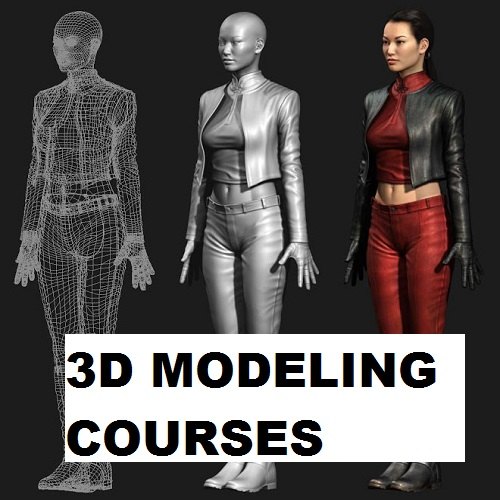
3D modelling is the process of creating a digital object with height, width, and depth. Artists and designers use it to build characters, props, environments, and product concepts that can be viewed from different angles.
For students interested in animation and multimedia, learning 3D modelling offers a practical way to turn an idea into something they can examine, refine, and present. Its applications extend across films, games, advertising, architecture, and product development.
Is 3D modelling the same as 3D animation?
3D modelling creates the object’s shape. Animation controls how that object moves over time. A finished scene may also involve texturing, rigging, lighting, rendering, and compositing.
Think of a digital character. Modelling establishes its form, while other stages determine its surface appearance, movement, and presentation. Software such as Blender includes tools for these separate parts of production within one application.
Realism is one possible goal. A stylised character or simplified environment can be equally appropriate when it serves the story.
Where is 3D modelling used?
Animation and visual effects
Modellers build characters, creatures, props, and environments for films and television. These assets become part of a wider production process, alongside animation, lighting, and compositing.
Game development
Games use 3D assets such as characters, vehicles, buildings, and scenery. These must suit the visual style and work within the game’s performance limits. Photorealism is not a requirement for an engaging game.
Product and industrial design
Digital models help teams examine a product’s form and develop prototypes. Engineering work also requires attention to function, dimensions, materials, and manufacturing.
Architectural visualisation
3D models help communicate proposed buildings and interiors before construction. They allow designers and clients to examine spaces through rendered views. These applications illustrate how modelling serves both creative production and design development.
Advertising, illustration and motion graphics
3D tools also support commercials, concept artwork, broadcast graphics, and title sequences. Blender’s documentation identifies these among its production uses. A useful practice brief might involve presenting one product through a still illustration and a short animated sequence.
Previsualisation
Previsualisation uses early versions of scenes to explore how a sequence could work. Simple models can help test composition and staging before committing to detailed production. Autodesk identifies modelling applications in previs workflows.
What are the benefits of learning 3D modelling?
The value of learning extends beyond completing a model. Practising with a clear brief gives you opportunities to:
-
Develop observation: Study how an object’s proportions and separate parts fit together.
-
Compare ideas: Make alternative versions and assess which communicates the intended design.
-
Explain decisions: Show your references, early attempts, and revisions.
-
Build a portfolio: Present completed work with evidence of how you developed it.
For a first project, choose a manageable subject, such as a chair, lamp, or simple room. Decide what the exercise should demonstrate before adding detail. A carefully finished small project is a useful foundation for more ambitious work.
Which software should you learn?
Blender is free and open source, with tools for modelling, sculpting, animation, and rendering. It offers a way to begin practising without purchasing a software licence.
Start with one application and learn to complete projects in it. Avoid measuring progress by the number of software packages you have opened. Focus on whether you can create the intended shape, revise it confidently, and explain your process.
When comparing courses, ask which applications students use and how assignments develop their understanding of modelling.
What career paths can you explore?
Depending on your training and portfolio, you could investigate work in 3D asset creation, character or environment art, visualisation, and related animation production roles. Brainware University’s undergraduate course page identifies opportunities across animation, VFX, game art, and multimedia design.
Choose portfolio projects that relate to your intended direction. For collaborative work, explain exactly what you contributed. Learning modelling alone does not establish expertise in every production role, so examine the additional skills each position requires.
Study animation and multimedia at Brainware University
Students exploring animation courses in Kolkata and nearby areas can consider Brainware University’s BSc (Honours) in Animation & Multimedia, offered at its Barasat campus.
The four-year programme includes 2D and 3D animation, character design, storyboarding, VFX, motion graphics, and multimedia production. Its published overview also includes portfolio and showreel development.
Before applying, review the syllabus and ask to see recent student projects. Find out how modelling assignments are assessed, how often students receive feedback, and what access they have to laboratories.
Visit the official BSc (Honours) in Animation & Multimedia page for current eligibility, fees, and admission details. Use that information to judge how the programme fits the kind of creative work you want to pursue.